Mastering the Classic Chess Vintage Logo: A Comprehensive Guide to Vector Assets and Customization
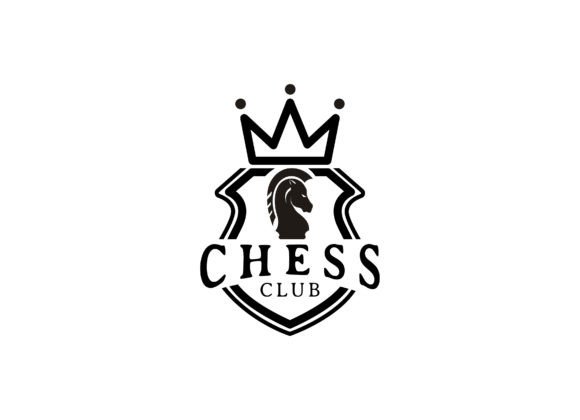
In the realm of graphic design, few motifs carry as much historical weight and universal recognition as the chessboard. Among these representations, the Classic Chess Vintage Logo stands out as a timeless asset for designers seeking to evoke strategy, intellect, and tradition. Whether you are branding a high-end consulting firm, creating merchandise for a tournament, or designing educational materials for a chess club, the versatility of this specific vintage aesthetic offers a unique foundation. This guide explores the technical specifications, customization capabilities, and practical applications of this logo package, which includes files in EPS, Adobe Illustrator (AI), SVG, JPEG, PNG, and PDF formats.
The Technical Foundation: Understanding File Formats
The true value of a digital asset lies not just in its visual appeal but in its technical flexibility. The Classic Chess Vintage Logo is distributed across multiple file types, each serving a distinct purpose in the professional workflow. For best results, it is highly recommended to open the EPS or AI file using Adobe Illustrator. These vector-based formats are the backbone of scalable design, allowing the artwork to be resized from a tiny favicon to a massive billboard without any loss of quality. Unlike raster images, which degrade when enlarged, vector graphics maintain crisp edges and smooth curves regardless of dimensions.
When working with the EPS (Encapsulated PostScript) file, designers gain access to the raw geometry of the illustration. This format is widely compatible with various vector editing software, making it an excellent choice for archiving or transferring between different design environments. The Adobe Illustrator (AI) file serves as the native workspace for this specific template. It preserves layers, groups, and editable paths, offering the most granular control over the design elements. For web developers and digital creators, the SVG (Scalable Vector Graphics) file is indispensable. It ensures that the logo renders perfectly on screens of all resolutions, from mobile devices to 4K monitors, while keeping file sizes relatively small.
For immediate use in presentations, social media posts, or print drafts where editing is not required, the JPEG and PNG files provide convenience. The JPEG format is ideal for complex imagery with many colors, though it uses lossy compression. Conversely, the PNG format supports transparency, making it perfect for overlaying the logo onto backgrounds without a white box surrounding it. Finally, the PDF version acts as a universal document standard, ensuring that the design appears exactly as intended when shared with clients or sent to a printer, regardless of the software they use to view it.
Unlocking Creative Potential Through Editing
One of the primary advantages of acquiring the Classic Chess Vintage Logo in vector formats is the ability to fundamentally alter its appearance to suit specific brand identities. Designers can change the colors instantly, transforming a traditional black-and-white monochrome scheme into a vibrant palette that matches corporate guidelines. The underlying structure of the logo allows for the removal of unwanted text, enabling users to create a clean icon version if the full wordmark is too cluttered for a specific application.
Beyond simple color swaps, the vector nature of the file permits deep manipulation of the curves and paths. Using the Pen tool or Direct Selection tool in Adobe Illustrator, a designer can refine the sharpness of the knight's mane, adjust the perspective of the pawn, or smooth out the vintage distress effects that give the logo its aged character. You can add new elements, such as a laurel wreath, a ribbon, or a geometric frame, to contextualize the chess piece within a broader heraldic design. Similarly, removing elements allows for minimalism; stripping away background textures can result in a sleek, modern interpretation of a classic theme.
Resizing and positioning are also seamless processes within the vector environment. Because the logo is constructed from mathematical points rather than pixels, scaling it down for a business card or up for a banner requires no interpolation or blurring. This scalability is crucial for brands that require consistent visual identity across diverse mediums. Furthermore, the non-editable text included in the original design presents a specific consideration. If the existing typography does not align with your project, the text must be treated as a graphic element unless you wish to recreate it.
Typography Considerations and Font Installation
A critical aspect of customizing the Classic Chess Vintage Logo involves its typography. The template often includes text rendered in a specific font that complements the vintage aesthetic of the chess pieces. However, this text is frequently converted to outlines or is simply non-editable within the provided file to ensure compatibility across different systems. If you intend to modify the wording—for example, changing "Chess Club" to your own organization's name—you cannot simply click and type over the existing letters.
To achieve a cohesive look where your new text matches the style of the logo, you must download and install the specific font used in the template. This step is essential for maintaining the integrity of the design. Once the font is installed on your operating system, you can type your desired text in Adobe Illustrator or another compatible editor and apply the same styling attributes, such as kerning, leading, and weight, to match the original composition. This process ensures that the final output feels like a unified creation rather than a patchwork of mismatched elements. Failing to use the correct font can disrupt the visual harmony, making the logo appear amateurish despite the high quality of the vector graphics.
Color Management: Navigating RGB and CMYK
Understanding color modes is vital when utilizing the Classic Chess Vintage Logo for different outputs. The preview and design files typically use the RGB (Red, Green, Blue) color model, which is optimized for digital screens. RGB allows for a wider gamut of bright, vibrant colors that pop on monitors, tablets, and smartphones. When preparing the logo for web use, social media campaigns, or digital presentations, keeping the file in RGB ensures that the colors appear exactly as seen in the preview.
However, if your project involves physical printing—such as t-shirts, banners, brochures, or playing cards—you must convert the color mode to CMYK (Cyan, Magenta, Yellow, Key/Black). Printers use ink to reproduce colors, and the CMYK model represents the range of colors achievable with ink on paper. Converting from RGB to CMYK can sometimes result in colors appearing slightly duller or shifting in hue, so it is important to make these adjustments early in the workflow. By opening the AI or EPS file, you can easily switch the color profile and adjust individual swatches to ensure the printed result meets your expectations. Ignoring this distinction can lead to significant discrepancies between what you see on screen and the final printed product.
Real-World Applications Across Industries
The versatility of the Classic Chess Vintage Logo extends far beyond chess tournaments. Its symbolism of strategy, foresight, and intellectual challenge resonates with a broad audience, including professionals, educators, and business owners. In the corporate sector, consulting firms and financial advisors often adopt chess imagery to communicate their expertise in strategic planning and risk management. The vintage style adds a layer of prestige and reliability, suggesting a company with a long history of success and deep wisdom.
Educators and researchers find the logo equally useful. Schools and universities hosting debate clubs, logic workshops, or STEM programs can utilize the design to promote events that foster critical thinking. The recognizable imagery immediately signals to students and parents that the program focuses on mental acuity and discipline. For hobbyists and content creators, the logo serves as an engaging visual anchor for blogs, YouTube channels, or podcasts dedicated to game theory, history, or competitive gaming.
Business owners in the retail and hospitality industries also benefit from this asset. Cafes that host evening chess nights, board game shops, or luxury hotels with executive lounges can use the logo for signage, menus, and merchandise. The vintage aesthetic blends well with rustic, industrial, or classic interior designs, creating a welcoming atmosphere for patrons who appreciate tradition and craftsmanship. By customizing the colors and text, these businesses can tailor the logo to fit their unique brand voice while leveraging the universal appeal of the chess motif.
Strategic Implementation for Brand Identity
Implementing the Classic Chess Vintage Logo effectively requires a thoughtful approach to brand consistency. Once the file has been customized to meet your specific needs, it should be saved as a master template to ensure future iterations remain consistent. Establishing clear guidelines for usage—such as minimum size requirements, clear space around the logo, and approved color variations—helps maintain a professional image across all touchpoints. Whether you are placing the logo on a website header, a business card, or a promotional poster, the vector format ensures that the details remain sharp and legible.
Furthermore, the ability to edit the curves and paths allows for the creation of secondary marks or simplified versions of the logo for specific contexts. For instance, a full-color, detailed version might be used on a brochure cover, while a single-color, simplified outline could serve as a watermark or a stamp on official documents. This adaptability is a hallmark of strong brand identity, allowing the logo to function effectively in both high-impact and subtle scenarios. By mastering the tools and techniques associated with the Classic Chess Vintage Logo, designers and business owners alike can craft a visual narrative that is both historically grounded and dynamically relevant to the modern world.