Understanding Breast Cancer SVG and DXF Digital Files
When exploring digital assets for creative projects, specifically those related to health awareness, the terms Breast Cancer Svg and Breast Cancer Dxf frequently appear. These file formats represent vector graphics that are essential for modern crafting, design, and manufacturing. Unlike standard raster images which lose quality when enlarged, vector files maintain crisp edges and precise lines regardless of scale. This characteristic makes them indispensable for creators using tools like Cricut, Silhouette Cameo, or professional design software.
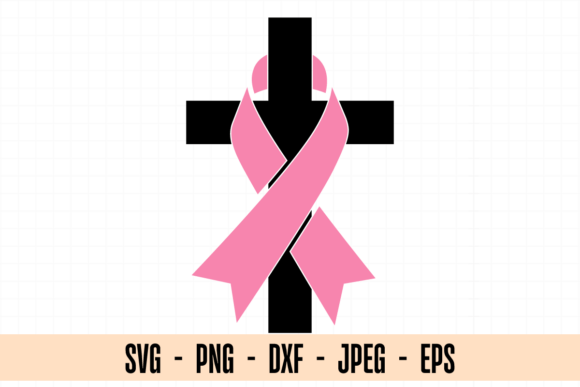
The primary appeal of these specific designs lies in their versatility and the cause they support. The pink ribbon symbol is a globally recognized emblem for breast cancer awareness. By utilizing high-quality vector versions of this symbol, individuals can create meaningful items ranging from personal gifts to community fundraising materials. However, before purchasing or downloading these assets, it is important to understand exactly what is included in a typical package and how these files function within different workflows.
What Is Included in a Standard File Package?
A comprehensive digital download for this type of design typically comes as a compressed Zip file containing multiple file formats. This multi-format approach ensures compatibility with a wide array of hardware and software applications. When you acquire a Breast Cancer Svg or Breast Cancer Dxf package, you generally receive the following components:
- SVG (Scalable Vector Graphics): This is often the most versatile format for cutting machines. It allows for unlimited resizing without any loss of resolution, making it ideal for both small tags and large banners.
- PNG (Portable Network Graphics): A raster image with a transparent background. This is useful for sublimation printing, digital scrapbooking, or overlaying onto other photos where the background needs to disappear.
- DXF (Drawing Exchange Format): Historically used in CAD software, this format is widely supported by older cutting machines and certain embroidery software. Like the SVG, it supports scalable line work.
- JPEG (Joint Photographic Experts Group): A standard image format suitable for quick previews, social media sharing, or simple print-and-cut projects where vector precision is not required.
- EPS (Encapsulated PostScript): A professional-grade vector format compatible with Adobe Illustrator and other high-end design programs. It offers unlimited resizing and is preferred for commercial printing.
This variety ensures that whether you are working with Microsoft Office programs, Adobe Creative Cloud, or dedicated craft software, you will have a file type that integrates smoothly into your project.
Evaluating Use Cases and Project Suitability
Deciding whether a Breast Cancer Svg or Breast Cancer Dxf is the right choice depends heavily on the intended application. These files are particularly strong fits for projects requiring precision cutting and durability. For instance, if you plan to create vinyl decals for cars, windows, or water bottles, the vector nature of the SVG and DXF files ensures clean cuts around the intricate curves of the ribbon design.
These designs are also well-suited for textile applications. Many users purchase these files to digitize the font or shape for embroidery. The ability to convert the vector paths into stitch data allows for the creation of custom t-shirts, tote bags, and patches. Furthermore, the inclusion of PNG and JPEG files expands the utility beyond cutting machines, allowing for use in paper crafts, wall art, and digital invitations.
For those interested in creating handmade products to sell, such as text-based paper crafts or embroidered apparel, these files provide a professional foundation. The clarity of the vector lines translates well to various materials, ensuring that the final product looks polished rather than pixelated. This is a critical consideration when the end product is meant to convey a serious message regarding health awareness.
Benefits and Practical Considerations
The primary benefit of choosing a vector-based package over a single image file is scalability. With an SVG or EPS file, you can resize the design from a 1-inch sticker to a 4-foot banner without compromising the visual integrity. This flexibility reduces the need to search for different resolutions for different projects. Additionally, having multiple formats in one Zip file streamlines the workflow, eliminating the need to convert files manually using third-party converters, which can sometimes introduce errors.
However, there are tradeoffs to consider. While the files are versatile, the user must possess the necessary software or hardware to utilize them effectively. If you do not own a cutting machine like Cricut or Silhouette, the SVG and DXF files may be less immediately useful than the PNG or JPEG options. Similarly, while you are allowed to digitize the font for embroidery, this requires specific knowledge of embroidery software to convert the vector paths into stitch files correctly. Without this technical capability, the full potential of the package cannot be realized.
Another consideration is the licensing scope. Most packages of this nature allow for personal use and the creation of handmade goods for sale. This includes items like wall art, clothing, and accessories. However, it is crucial to review the specific terms provided with the download. Generally, you are permitted to sell the physical product made with the design, but you cannot resell the digital file itself or claim ownership of the original artwork.
When Alternatives Might Be Preferable
While Breast Cancer Svg and Breast Cancer Dxf files are powerful tools, they are not always the optimal solution for every scenario. If your goal is simply to include a small icon in a digital document, presentation, or website header, a high-resolution PNG might suffice, and the complexity of managing vector files could be unnecessary overhead. In situations where speed is more important than editability, pre-made clipart in raster formats may be faster to implement.
Furthermore, if you require a highly customized illustration that goes beyond the standard ribbon design, a generic downloaded file may not meet your artistic vision. In such cases, commissioning a graphic designer to create a unique vector illustration from scratch would be a better investment. Custom designs ensure uniqueness and can be tailored specifically to brand guidelines or complex layout requirements that stock files cannot accommodate.
For users who lack access to vector editing software, relying solely on the SVG or DXF files might present a learning curve. If the primary intent is simple printing without cutting or layering, standard image formats like JPEG are often more straightforward and require no specialized plugins or drivers.
Making an Informed Decision
Determining whether to proceed with a Breast Cancer Svg and Breast Cancer Dxf purchase involves assessing your current toolkit and project goals. If you are equipped with a cutting machine or design software and aim to produce high-quality, scalable physical goods, these files offer significant value. The inclusion of multiple formats provides a safety net against compatibility issues, ensuring that the design works across Microsoft Office, Adobe programs, and dedicated craft applications.
Ultimately, the decision rests on the balance between versatility and immediate utility. For the hobbyist looking to support a cause through handmade crafts, the ability to resize, cut, and embroider with precision makes these vector files a practical asset. By understanding the contents of the Zip file and the limitations of your own equipment, you can make a choice that aligns with your creative objectives and respects the integrity of the design.