Spice Jar Label Template DIY Spice Label: A Practical Guide to Elevating Your Kitchen
Transforming a cluttered spice rack into a streamlined, aesthetic display is one of the most satisfying projects in home organization. However, the difference between a professional-looking result and a frustrating DIY failure often comes down to preparation and tool selection. The Spice Jar Label Template DIY Spice Label offers a solution for those seeking modern minimalism without the steep learning curve of graphic design software. By leveraging an editable template compatible with Canva, you can achieve a cohesive look that simplifies cooking and enhances your kitchen's visual appeal. Yet, before you download and print, it is crucial to understand how to use these tools effectively to avoid common pitfalls that compromise quality and longevity.
Understanding the Value of Editable Spice Labels
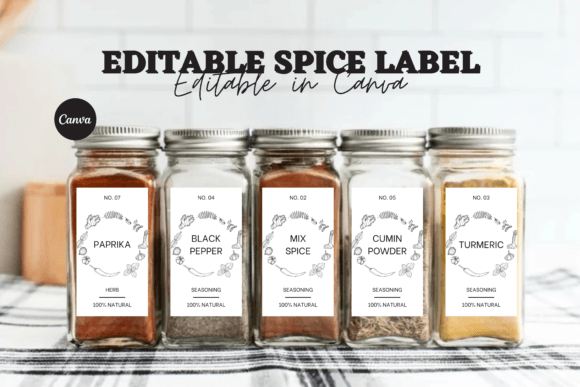
The primary appeal of a Spice Jar Label Template DIY Spice Label lies in its balance of functionality and style. Unlike pre-printed stickers found in big-box stores, which often feature generic fonts and rigid sizing, a digital template allows for complete customization. You can adjust text color, font size, and even the background to match your specific jar shapes or pantry theme. This flexibility is essential for creating a bespoke look that feels intentional rather than improvised.
For small business owners selling spices, bloggers documenting their culinary journey, or simply homeowners who value order, these labels serve as more than just identifiers. They are a statement of your kitchen aesthetic. The ability to edit elements ensures that every jar communicates clearly, reducing the time spent searching for ingredients during meal prep. When you choose a template designed for US Letter or A4 paper, you gain the freedom to print multiple batches efficiently, ensuring you have enough labels for your entire collection without running out mid-project.
Common Mistakes That Ruin DIY Label Projects
Even with a high-quality template, poor execution can lead to wasted materials and a subpar finish. One of the most frequent errors involves neglecting the physical dimensions of the jars themselves. Many users assume that a standard 1.25 x 2.25-inch label will fit every container, but spice jars vary wildly in curvature and height. Applying a flat label to a deeply curved surface without accounting for shrinkage or tension can cause peeling, bubbling, or wrinkling within days.
Another significant oversight is the choice of printing material. Printing on standard office paper and then applying clear packing tape over it is a common shortcut, but it rarely yields a professional result. The glue from the tape often creates air bubbles, and the ink may smudge when exposed to moisture or oils in the kitchen environment. This approach undermines the sophisticated look the template promises, leaving you with labels that look cheap and fail to withstand the humidity of a pantry.
Furthermore, users often underestimate the importance of font legibility. In the rush to make labels "pretty," some choose overly decorative scripts or tiny font sizes that become unreadable at a glance. If you cannot identify a spice quickly while cooking, the organization system has failed its primary purpose. The goal is a seamless blend of functionality and style, not sacrificing readability for aesthetics.
How to Avoid Pitfalls and Ensure Professional Results
To get the most out of your Spice Jar Label Template DIY Spice Label, start by measuring your jars accurately. Use a flexible measuring tape to determine the circumference and height of the area where the label will sit. Compare these measurements against the template's customizable size options. Most modern templates allow you to resize elements easily; ensure the final dimensions leave a small margin on all sides to prevent the label from curling over the edges of the jar.
Investing in the right paper is non-negotiable for durability. Instead of regular printer paper, purchase adhesive label sheets specifically designed for laser or inkjet printers, depending on your equipment. These sheets come with permanent adhesives that resist moisture and temperature changes better than homemade alternatives. If you prefer a matte or glossy finish, select a label sheet that matches your desired texture before you begin editing your text.
When customizing the design, prioritize clarity. Stick to clean, sans-serif fonts that are easy to read from a distance. While changing the text color and background is part of the fun, ensure there is sufficient contrast between the text and the background. A dark grey text on a light beige background, for example, reads much better than a light grey on white. Remember, the template is a starting point; your adjustments should enhance usability, not hinder it.
Key Checks Before Downloading and Printing
Before committing to any digital download, verify the compatibility of the file with your workflow. Ensure the product includes a direct link to a Canva template, as this eliminates the need for complex software installations. Check that the PDF instructions are clear and that the template supports both US Letter and A4 sizes if you are traveling or working with different printers. Additionally, confirm that the template allows you to add new text elements freely. Some restrictive templates lock certain layers, preventing you from adding ingredient names or expiration dates.
Also, consider the long-term maintenance of your labels. Will you need to reprint them frequently? If so, a template that saves your edits automatically within your Canva account is invaluable. It allows you to duplicate designs for future purchases or reprints without starting from scratch. This efficiency is particularly useful for entrepreneurs managing inventory or hobbyists who frequently rotate their spice collection.
Maximizing Efficiency and Satisfaction
By avoiding these common mistakes, you transform a simple labeling task into a strategic improvement of your kitchen space. The right Spice Jar Label Template DIY Spice Label empowers you to create a system that is both visually delightful and highly functional. When labels are durable, readable, and perfectly sized, they reduce cognitive load during cooking and maintain a tidy appearance over time.
Ultimately, the effort put into selecting the right template and executing the print job correctly pays off in daily convenience. You eliminate the guesswork of identifying spices and replace chaotic rows of mismatched containers with a unified, minimalist display. Whether you are organizing a personal pantry or branding a small food business, the principles remain the same: measure carefully, choose durable materials, and prioritize readability. With these steps, your spice storage becomes not just a utility, but a stylish masterpiece that reflects your attention to detail.