Kelly Gingham Doodle Letters: A Practical Guide for Designers and Educators
In the vast landscape of digital design resources, finding assets that balance aesthetic charm with functional versatility is often a challenge. The Kelly Gingham Doodle Letters collection represents a specific niche within digital clipart, offering a complete set of alphabet characters rendered in a playful, hand-drawn style accented by gingham patterns. For adults navigating class projects, scrapbooking layouts, or small business branding, understanding the specific utility and limitations of this resource is essential before integrating it into a workflow. This guide explores what distinguishes these letters from standard typefaces and other clipart options, helping you determine if they align with your creative goals.
Defining the Aesthetic and Utility of Kelly Gingham Doodle Letters
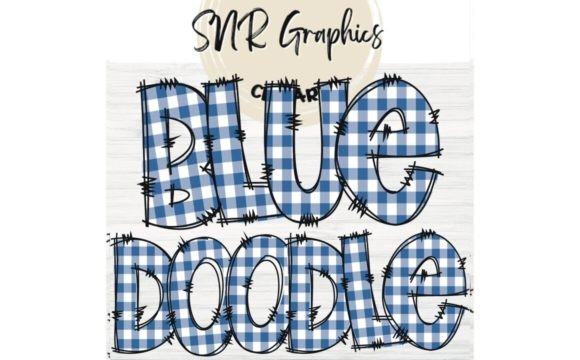
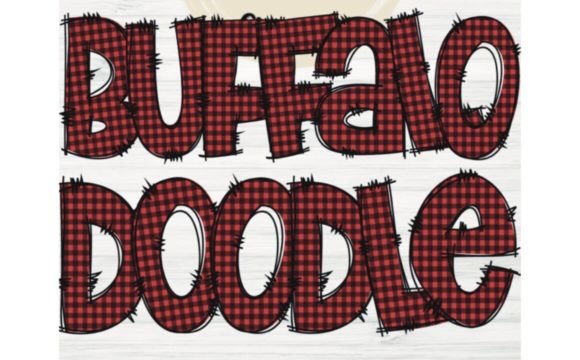
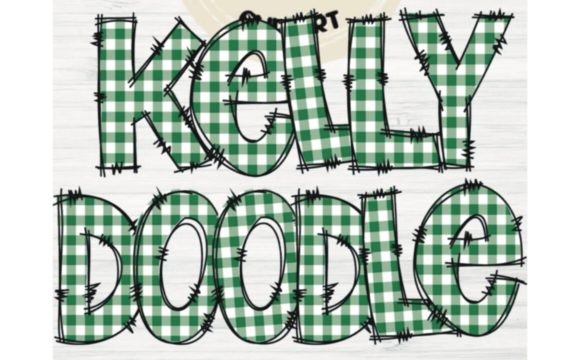
The primary appeal of Kelly Gingham Doodle Letters lies in their hybrid nature. Unlike standard fonts that exist solely as vector outlines or rasterized text, these elements are designed as individual clipart images. Each letter of the alphabet is crafted to look like a doodle, incorporating the classic checkered texture associated with gingham fabric. This visual texture adds depth and a tactile quality that plain text cannot achieve. When you download the file, you receive every element visible in the preview, ensuring there are no missing pieces in your final project.
For educators and crafters, the format offers significant flexibility. Because the letters are provided as PNG files with transparent backgrounds, they can be overlaid onto various textures, photographs, or colored backgrounds without unsightly white boxes. This transparency is crucial for digital scrapbooking, where layering is fundamental to creating a cohesive narrative. The "doodle" aspect implies a human touch, making the text feel less rigid and more approachable than a formal serif or sans-serif font. This makes the collection particularly effective for invitations, classroom decorations, and personal stationery where a friendly, informal tone is desired.
Comparing Clipart Assets vs. Standard Typography
When evaluating design tools, a critical distinction must be made between downloading a font file and acquiring a set of clipart letters. Standard typography allows for infinite customization; you can change the size, kerning, and line spacing instantly. However, Kelly Gingham Doodle Letters function differently. Since each letter is an image file, resizing them requires care to maintain resolution, and adjusting the spacing between characters must be done manually within your design software.
This tradeoff is intentional. While a standard font might lack the intricate gingham detailing found in these doodles, the clipart format ensures that the decorative elements remain intact regardless of the background. If your project requires complex text manipulation, such as wrapping text around shapes or using variable weight styles, a traditional font might be superior. Conversely, if the goal is to have pre-styled, textured letters that stand out as graphical elements rather than just text, the Kelly Gingham Doodle Letters offer a distinct advantage. They act more like stickers than words, allowing for rotation, scaling, and placement that defies the constraints of a text box.
Evaluation of Visual Consistency and Style
Another factor in comparing this resource to alternatives is visual consistency. In many free clipart sets, the style may drift between uppercase and lowercase letters, or the gingham pattern might vary in scale. The Kelly Gingham Doodle Letters are marketed as a complete, cohesive set, meaning the pattern density and line weight remain uniform across the entire alphabet. This consistency is vital for professional-looking outputs. When creating a header for a newsletter or a title card for a video, mismatched letter styles can disrupt the viewer's focus. By providing a unified set, this resource reduces the time designers spend editing individual characters to match one another.
Furthermore, the gingham pattern itself carries specific connotations. It evokes feelings of nostalgia, country aesthetics, and vintage charm. This limits its applicability in modern, minimalist, or high-tech contexts but makes it ideal for themes involving picnics, weddings, baby showers, or elementary education. Understanding the emotional resonance of the pattern is key to deciding if it fits your brand or project identity. If your audience expects a sleek, corporate look, this style would be inappropriate. However, for projects aiming to evoke warmth and creativity, the pattern serves as a strong visual anchor.
Use Cases: From Classroom Projects to Commercial Products
The versatility of the Kelly Gingham Doodle Letters extends beyond simple decoration. The license typically includes both personal and commercial use, which broadens the potential applications significantly. For teachers and parents, these letters are excellent for class projects. They can be printed on cardstock for bulletin boards, used in digital presentations, or incorporated into worksheets to make learning the alphabet more engaging. The "cute" factor inherent in the doodle style appeals to younger audiences, making educational materials more inviting.
For small business owners and independent creators, the commercial license opens doors to monetization. You can incorporate these letters into finished products such as greeting cards, planners, t-shirts, and mugs. The key restriction, common to most digital asset licenses, is that you cannot resell the digital file itself. You must transform the asset into a physical good or a composite design. This means you cannot bundle the PNGs and sell them as a font pack or clipart set to others. Instead, the value lies in how you integrate them into a larger product. For example, a planner designer might use the letters to create a "Monthly Goals" section, adding a unique stylistic flair that differentiates their product from generic templates.
Digital Scrapbooking and Layering Techniques
Digital scrapbookers find particular value in the transparent background feature. In scrapbooking, photos often have varied lighting and colors. Using a solid-colored text box behind the letters can obscure important parts of a photo or clash with the layout's color palette. With transparent PNGs, the Kelly Gingham Doodle Letters sit directly on top of the imagery, blending seamlessly. This allows for sophisticated layering techniques, such as placing letters over journaling spots or framing photos with a border of alphabet characters. The ability to manipulate opacity and blend modes in software like Photoshop or Canva further enhances their utility, allowing the gingham pattern to interact dynamically with the underlying layers.
Decision Factors: When to Choose Alternatives
While the Kelly Gingham Doodle Letters offer significant benefits, they are not a universal solution. There are scenarios where alternative resources may serve you better. If your project involves long paragraphs of text, using individual clipart letters is inefficient and prone to errors. The manual process of spacing and aligning hundreds of letters is time-consuming compared to typing text in a word processor. Therefore, for body copy, descriptions, or lengthy articles, a standard font is the practical choice.
Additionally, consider the technical requirements of your output. If you need to print at very large scales, such as billboards or banners, the resolution of the PNG files becomes a limiting factor. Raster images lose quality when enlarged beyond their original dimensions, whereas vector-based fonts can scale infinitely without pixelation. If your project demands high-resolution scalability, you may need to seek out vector versions of similar doodle styles or commission custom vector art. The instant download nature of the Kelly Gingham Doodle Letters is convenient, but it assumes the provided resolution meets your specific output needs.
Licensing and Distribution Considerations
Before finalizing your decision, review the licensing terms carefully. The prohibition against redistributing the digital file is a standard protection for creators, but it is essential to understand the boundaries. You can sell a T-shirt featuring the letters, but you cannot sell the PNG file to someone else who wants to put it on their own T-shirt. This distinction protects the intellectual property of the artist while allowing you to profit from your labor in assembling the final product. If your business model relies on selling digital templates that include editable text layers, ensure that the license permits embedding these assets in your template files. Most commercial licenses do allow this, but clarity prevents future legal issues.
Conclusion: Making an Informed Choice
The Kelly Gingham Doodle Letters represent a specialized tool for those seeking a blend of whimsy and structure in their designs. They excel in short-form text applications, decorative headers, and projects requiring a distinct, textured aesthetic. By understanding the difference between clipart and typography, and recognizing the specific strengths of the gingham style, you can make an informed decision about whether this resource fits your needs. For educators looking to brighten a classroom, scrapbookers aiming for layered depth, or entrepreneurs creating branded merchandise, the collection offers a valuable asset. However, for large-scale printing or extensive body text, traditional fonts or vector graphics may remain the superior alternative. Ultimately, the right choice depends on balancing the visual impact of the doodle style with the practical demands of your specific project.